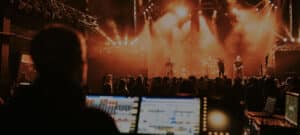

Many details go into event planning, and one of the most important is the audiovisual (AV) setup. Whether you are having a corporate conference, wedding, or concert, the correct AV equipment can make or break the event’s success. And understanding the fundamentals of audiovisual rental will help you provide a smooth, enjoyable experience for your guests.
Audiovisual rentals provide a wide selection of equipment, including microphones, speakers, projectors, screens, lighting, and more. These services often provide skilled installation and technical support to ensure everything operates smoothly.
While this is the case, it’s one thing to rent the equipment and another to get the most from it. Like anyone organizing an event, you want to get the most from your audiovisual equipment, right? And it’s possible.
To help you out, here are some of the things you need to do:
Choose the right equipment
Everything begins here. There is no way you are going to get the most from your equipment if you don’t rent the right one. To help you out, here are some of the equipment rentals you might need for your event:
Screens and Projectors
Projectors make it possible for audiovisual storytelling at larger conferences by projecting content onto a wall or a larger screen, allowing the audience to follow what is happening. To be on the safe side,
- Use LED screens to provide higher-quality pictures.
- Use high-quality, bright projectors to achieve clearer projection.
Microphones provide clear and high-quality sound to external speakers. The number and type of microphones you use depend on your audience. Remember to carry backup equipment, such as extension cords and extra batteries.
When choosing the microphones remember that wireless mics provide greater mobility, but may require backup batteries.
Handheld microphones are ideal for events where audiences participate in discussions.
Lapel mics on the other hand are ideal for speakers who prefer to fasten microphones to their garments so they can move about.
Cables and Accessories
Choose cables and accessories based on the number of equipment and their distance apart. Also, always keep a supply of spare cables and accessories on hand.
You should always keep extra adaptors for your devices. Also carry additional DVI, XLR, and HDMI cables.
You should choose speakers based on planned event activities. It also relies on the room size and the audience’s expectations. Smaller rooms require less powerful speakers, whereas music-filled events such as live concerts require woofers and subwoofers.
Lighting
You use lighting to set the mood and brighten certain parts or the entire room. You should choose your lighting needs based on the space you want to illuminate or the atmosphere you want to create. Here are some lighting examples.
- Spotlights illuminate specific areas, such as the stage.
- Floodlights illuminate an entire event space.
- Color-changing lighting provides an ambiance for an event based on its topic.
Have detailed checklists
A checklist’s objective is to ensure you don’t forget anything when packing equipment and accessories. Use this list to ensure that you don’t lose anything during the event.
To make this possible, take these steps:
Have detailed contact information for those assisting with setup and processes. You may need to call them for assistance or to confirm an issue.
List all the equipment you need for your event. Remember to include even the most minor details for each item to ensure the entire setup is correct. Separate the components as follows:
- List speakers by placement and power rating/size.
- List screens by resolution, size, and total pieces.
- List cables by type, quality, and length.
It’s also wise to have equipment setup information that describes how the equipment will be linked. It shows where each will be put and what direction it will face. Draw pictures to demonstrate how the connection will be made. The graphic should show how the equipment will be powered. While at it, display the sources and backups.
You should also create a detailed timeline showing when each connection should be completed. Timelines ensure that the entire setup is completed several hours or days before the event date. It enables testing time and making improvements as needed.
Run pre-event rehearsals
Pre-event rehearsals bring your team together to conduct equipment testing sessions. This session is crucial since it validates that everything is working correctly. It allows you to detect and resolve setbacks and technical challenges. Here are some activities that you should undertake for your pre-event rehearsals.
Equipment testing
This session is meant to determine how the sound, screens, microphones, wires, and Wi-Fi are working. Check the following:
Screens and projectors: Make sure the screen displays high-quality footage. Check that the projectors are displaying correctly.
Sound: Test the speakers to ensure they are receiving signals from the microphones and mixer.
Test the microphones to ensure they deliver high-quality audio. Also, check the mixers and wires to ensure they are not defective.
Wi-Fi: A high-speed Internet connection is necessary for live events. Test the connection and broadcast test content.
Confirm the backups
Backups ensure that you can resolve any issues that may arise during the event. With a backup, your team may rush to find answers when wires, microphones, or speakers fail. Ensure you have the following:
- Extra lighting tools for an emergency.
- Extra cables to replace defective ones.
- Extra batteries for microphones and devices.
- Additional device adapters for charging
- An additional computer and phone.
You should also make a checklist of the backup items. It makes it easier to identify the object of interest and swiftly retrieve it when needed.
Parting shot
These are the things you should do for you to get the most from your AV rentals MD. Remember that choosing a reputable audiovisual rental provider is critical to assuring high-quality service and equipment.
For a great experience, look for organizations with excellent ratings, a strong reputation, and expertise in organizing events similar to yours.
You also should inquire about their inventory to be sure they have the items you need. You don’t want to sign a contract with a company only to realize that they don’t have what you need, do you?